Start with the equipment you have
If you have used, surplus or decommissioned switchgear in Henderson, Kentucky, we can discuss buying it. We make cash offers, pay upfront for agreed purchases and cover all freight. You do not need to test the equipment, arrange a truck or take on the removal. We coordinate necessary disconnects, cranes, rigging, loading, freight and hauling; qualified personnel perform electrical work. Our role is to buy equipment, never to sell it.
Start by describing the actual surplus equipment and how much of it you intend to offer. You might have a switchgear lineup, separate breakers, a switchboard or another distribution item to discuss. Share any existing make, model, voltage and amperage information, and explain which pieces belong together. Where the information is incomplete, identify the uncertainty rather than assigning a rating based on appearance.
From surplus to a sale discussion
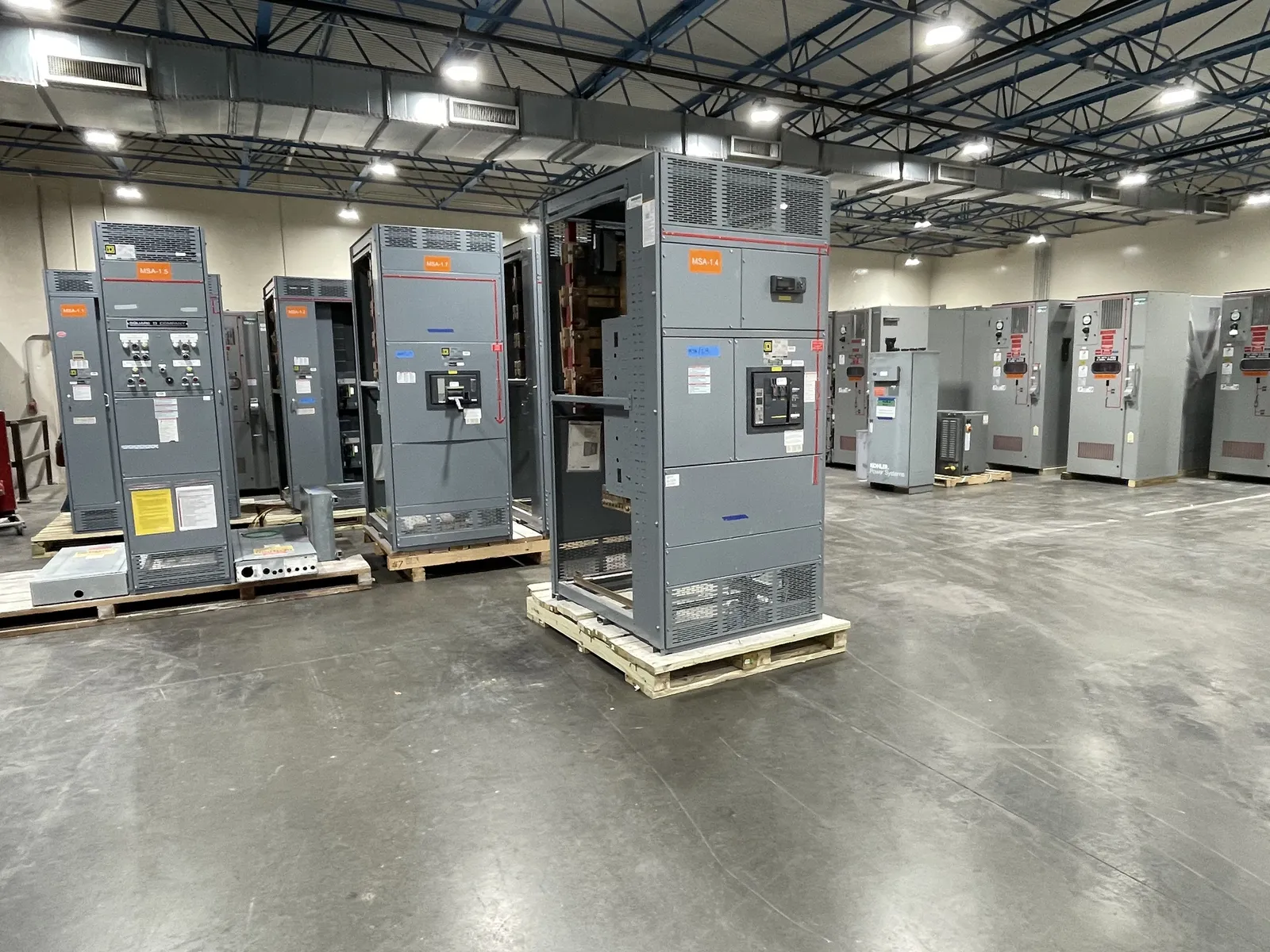
If there are multiple cabinets or storage areas, an existing list can help distinguish the proposed items. An overview photograph and a label image, when already available or safely accessible, may help match a nameplate to the right piece. Mention known restrictions on access or movement so they can be discussed. Qualified personnel perform electrical work, and we arrange the necessary handling and freight for purchased equipment.
When a project produces mixed equipment, separate the description of the lot from the history of the facility. Note the types of equipment, their approximate count if known, and which items are actually available for purchase. Existing labels and photos can provide supporting context, while unknown condition or incomplete records should be described as such. The seller does not have to dismantle or test anything to start.
What to share with your request
To request an offer, identify yourself and your company and provide a phone number or email so we can discuss the equipment. Tell us where it is in Kentucky, what type it is and its available voltage and amperage ratings. We buy all voltage classes. Send an existing or safely accessible nameplate photo, and note any missing information. There is no need to take equipment apart or verify its operation for the request.
If you have photographs already, a wide view and a legible label can complement each other. The first helps identify which cabinets are being discussed; the second may show a make, model or rating. Make clear when an image shows items that are excluded from the sale. If a label is not safely accessible, say so and share the records you do have instead of trying to reach it.
Review the purchase terms
The purchase conversation should make the commercial terms understandable. Ask what equipment the cash offer covers, how upfront payment will be handled and how the pickup will be coordinated. We pay upfront and cover all freight for the equipment we buy. The offer itself depends on the available information and agreement; an equipment category alone does not establish a fixed price or an automatic purchase.
Keep questions focused on the equipment and the agreement: What is included? Which identifying details are still uncertain? How will upfront payment and site access be coordinated? If a piece shown in a photograph is not for sale, say so. This makes the scope easier to understand without asking the seller to undertake inspection, testing, disconnects or transportation.
Electrical safety and covered freight
Please keep the request to information that is already documented or can be obtained safely. Do not approach energized equipment, remove covers, operate a device or test a circuit for a photo or an offer. Qualified personnel perform necessary electrical work and disconnects, and we coordinate freight after safe disconnection. You do not have to make the gear ready for removal or load it yourself.
The pickup conversation is about practical scope: where the equipment is, which items are included, and any known limitations on access. It is not a request for the seller to remove or pack it. We handle necessary disconnects, cranes, rigging, loading, freight and hauling, using qualified personnel for electrical work, and cover all freight. Freight is coordinated after the equipment is safely disconnected.
Start the conversation
It can help to distinguish the equipment's physical location from the person handling the sale. If the contact person is not at the site, say who can discuss access and identify the equipment on the company's behalf. Note any known restrictions or changes to the proposed lot. We use the information to coordinate the purchase, while handling the necessary disconnects and removal logistics ourselves.
Send us what you already know about the equipment and its location, including your name and company, phone or email, available ratings and a safely obtainable nameplate image. Clarify the items offered and any known restrictions. We can discuss a cash offer without seller testing. For an agreed purchase, payment is upfront and all freight is covered; we coordinate the necessary removal logistics.