A straightforward way to sell
Have switchgear to offer in Frankfort, Kentucky? Tell us what is available and where it is. We buy used, surplus and decommissioned equipment, including all voltage classes; we do not sell electrical equipment. We make cash offers, pay upfront and cover all freight for purchases. You are not asked to test, disconnect, load or ship the gear: we coordinate the work and qualified personnel handle electrical tasks.
You may be clearing surplus from an ongoing project or considering equipment from a facility that has closed. If you have a list of the items already set aside for sale, share it to help establish the proposed scope. Identify the pieces offered, the equipment type and the location, and pass along existing records or photographs when available. A request can begin with partial information; it should make clear which details are known and which still need discussion.
From surplus to a sale discussion
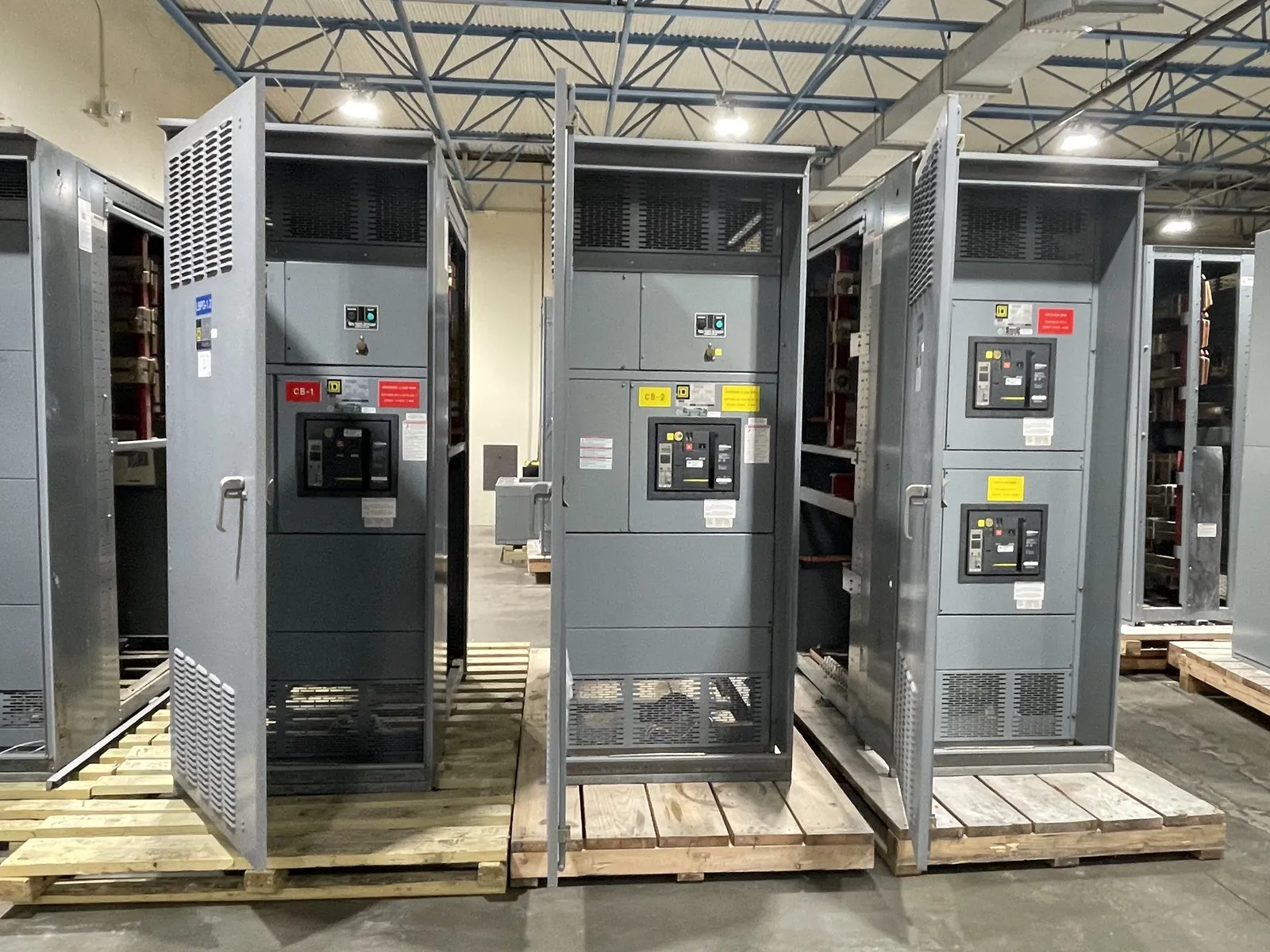
The practical boundary of the sale matters as much as its location. If an existing photo shows other cabinets, explain which ones are included and which remain with the property. Mention any known condition issues or missing components without testing equipment to investigate them. We handle necessary disconnects, cranes, rigging, loading and hauling, and cover freight for equipment we buy.
For more than one item, a simple list can distinguish equipment types, quantities and locations without requiring a formal appraisal. Label uncertain counts as estimates and identify any components you know are separate from the main assembly. Also note when an old record may not reflect the proposed sale. The purpose is to give both parties a clear scope to discuss, not to create work for the seller.
What to share with your request
For the initial quote conversation, send your name and company, a phone number or email, the equipment location and a description of the items. Add the voltage and current ratings and a nameplate photograph if already available or safely accessible. We buy all voltage classes. A manufacturer, model and item count are useful when known. Separate information from assumptions: an incomplete but accurate description gives us a better starting point than a guessed specification.
If you have photographs already, a wide view and a legible label can complement each other. The first helps identify which cabinets are being discussed; the second may show a make, model or rating. Make clear when an image shows items that are excluded from the sale. If a label is not safely accessible, say so and share the records you do have instead of trying to reach it.
Understand the offer
We make cash offers and pay upfront for agreed purchases. An offer concerns the equipment actually described and is subject to the information provided and the parties' agreement; a location, brand or rating alone cannot establish a price. Before accepting, confirm which pieces are included and how the payment and pickup will be coordinated. Our freight coverage and upfront payment remain part of the purchase approach.
Keep questions focused on the equipment and the agreement: What is included? Which identifying details are still uncertain? How will upfront payment and site access be coordinated? If a piece shown in a photograph is not for sale, say so. This makes the scope easier to understand without asking the seller to undertake inspection, testing, disconnects or transportation.
Safe handling and pickup
Safety comes before any photograph or equipment detail. Do not approach, touch, open, operate or test energized equipment, and do not remove covers or components for a quote. Use existing photographs and records, or involve qualified personnel if a safe image is needed. Qualified personnel handle necessary electrical work and disconnection. Even if equipment is described as surplus or decommissioned, do not assume it is safe to handle.
If the equipment is still in place or spread among several areas, mention that when discussing the lot. We handle the necessary disconnects and logistics, including cranes, rigging, loading, freight and hauling. Qualified personnel perform electrical work, and freight is coordinated after safe disconnection. All freight is covered for equipment we buy; sellers are not asked to test, dismantle, load or ship it themselves.
Ready to discuss your equipment?
A request can begin with an incomplete inventory and become more specific as existing information is gathered. If an item turns out not to be available, or an additional section is included, explain that change before agreeing to the sale. Share photographs or records already available for the updated scope. Avoid approaching energized equipment or trying to verify a condition by operating it.
To get started, share your contact and company information, equipment type, known ratings and Kentucky location, plus an existing or safely accessible nameplate photo. An incomplete request is better than an unsafe inspection: identify what is missing. We buy rather than sell, make cash offers and pay upfront for agreed purchases, while handling the disconnects and logistics for the equipment purchased.