A straightforward way to sell
Have 6,000-amp electrical equipment to sell in Kentucky? We buy used, surplus and decommissioned distribution equipment and make cash offers. We pay upfront for agreed purchases, cover all freight and do not require seller testing. We handle the necessary disconnects, cranes, rigging, loading and hauling, using qualified personnel for electrical work. A rating is a useful identifier, but the actual equipment and sale scope need to be described too.
The 6,000-amp figure is a current rating, not a complete description of the equipment. Tell us whether it comes from the main assembly label or an individual device, because a breaker and the lineup containing it can have different labels. Include the equipment type, manufacturer, model and voltage when available. If the only record is a photograph, sending that image can avoid errors introduced by copying a number from memory.
What the current rating tells us
A matching current rating does not establish that two pieces are identical, complete or in the same condition. Describe whether the proposed sale is for a single device, an assembly or several items, and note known missing pieces or visible damage. If the rating is uncertain, identify it as unverified rather than testing equipment. We buy all voltage classes and require no seller testing.
For more than one item, a simple list can distinguish equipment types, quantities and locations without requiring a formal appraisal. Label uncertain counts as estimates and identify any components you know are separate from the main assembly. Also note when an old record may not reflect the proposed sale. The purpose is to give both parties a clear scope to discuss, not to create work for the seller.
Information for an offer
To request an offer, identify yourself and your company and provide a phone number or email so we can discuss the equipment. Tell us where it is in Kentucky, what type it is and its available voltage and amperage ratings. We buy all voltage classes. Send an existing or safely accessible nameplate photo, and note any missing information. There is no need to take equipment apart or verify its operation for the request.
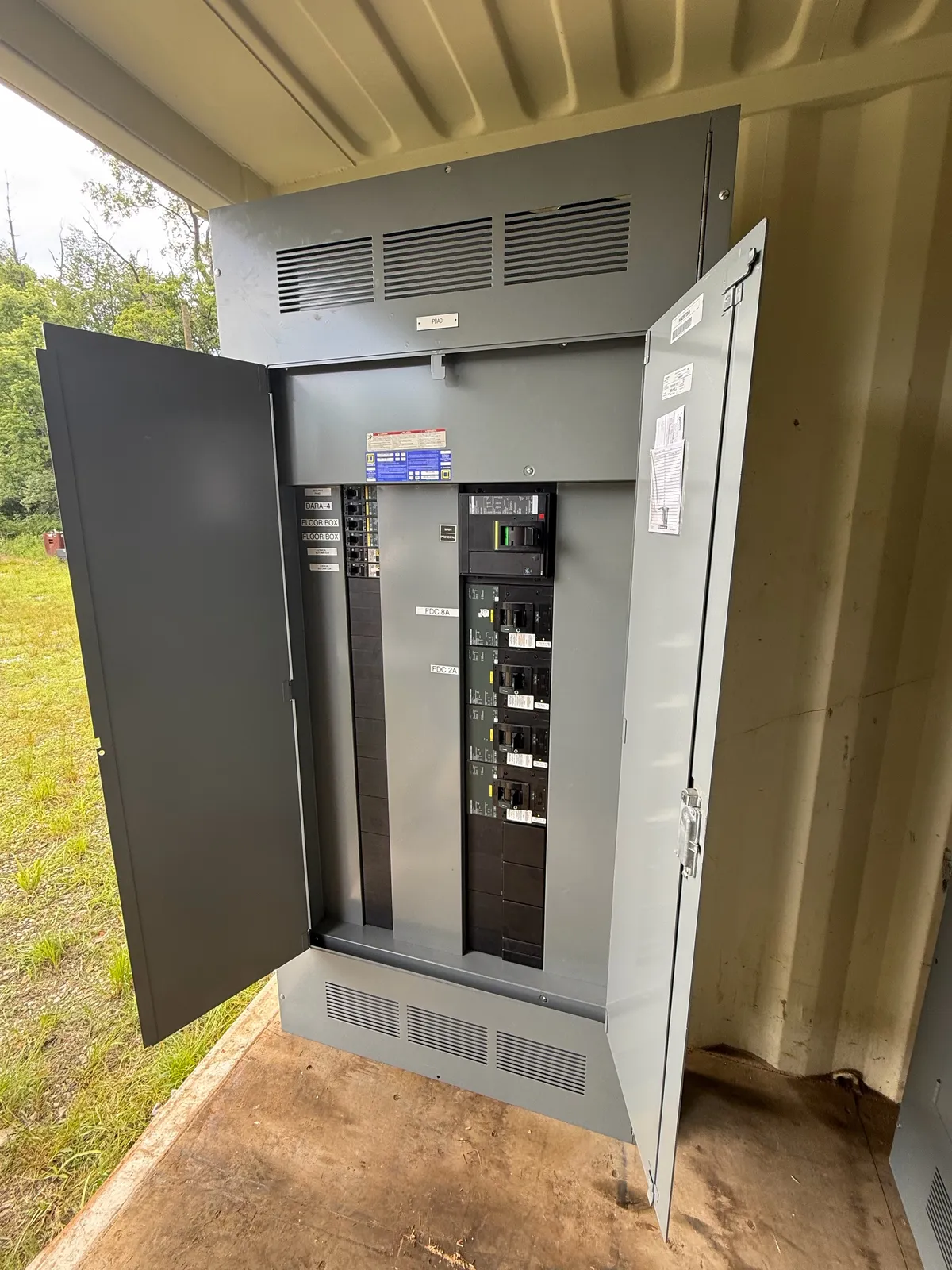
If you have photographs already, a wide view and a legible label can complement each other. The first helps identify which cabinets are being discussed; the second may show a make, model or rating. Make clear when an image shows items that are excluded from the sale. If a label is not safely accessible, say so and share the records you do have instead of trying to reach it.
Disconnection and logistics
A quote request should not create an electrical task for the seller. Do not touch, open, operate, test or approach energized gear, even to obtain a rating or a better photograph. Use images already on hand or safely accessible exterior information, and leave unavailable details unknown. Qualified personnel handle necessary electrical work and disconnection. Labeling a facility closed or equipment surplus is not a substitute for safe handling.
We handle the logistics for equipment we buy, including necessary disconnects, cranes, rigging, loading, freight and hauling. Qualified personnel perform electrical work, and freight is coordinated after safe disconnection. Share any site access information already known, such as equipment in separate areas or an unusually large assembly, so the arrangements can be discussed. We cover all freight; the seller does not have to arrange or load the shipment.
Understand the offer
Our role is to buy, not to sell or supply electrical equipment. We make cash offers for used, surplus and decommissioned gear and pay upfront on agreed purchases. Discuss exactly which items are included, any known condition concerns and the payment arrangements before accepting. All freight for equipment we buy is covered, and we handle the necessary logistics rather than asking the seller to ship the lot.
Keep questions focused on the equipment and the agreement: What is included? Which identifying details are still uncertain? How will upfront payment and site access be coordinated? If a piece shown in a photograph is not for sale, say so. This makes the scope easier to understand without asking the seller to undertake inspection, testing, disconnects or transportation.
Ready to discuss your equipment?
A request can begin with an incomplete inventory and become more specific as existing information is gathered. If an item turns out not to be available, or an additional section is included, explain that change before agreeing to the sale. Share photographs or records already available for the updated scope. Avoid approaching energized equipment or trying to verify a condition by operating it.
To get started, share your contact and company information, equipment type, known ratings and Kentucky location, plus an existing or safely accessible nameplate photo. An incomplete request is better than an unsafe inspection: identify what is missing. We buy rather than sell, make cash offers and pay upfront for agreed purchases, while handling the disconnects and logistics for the equipment purchased.