A straightforward way to sell
If 34,500-volt (34.5 kV) electrical equipment is surplus, start with the identification you already have and tell us what you want to offer. We buy all voltage classes, make cash offers, pay upfront for agreed purchases and cover freight. You do not need to test, disconnect or load the equipment. We coordinate necessary electrical work through qualified personnel as well as cranes, rigging and hauling.
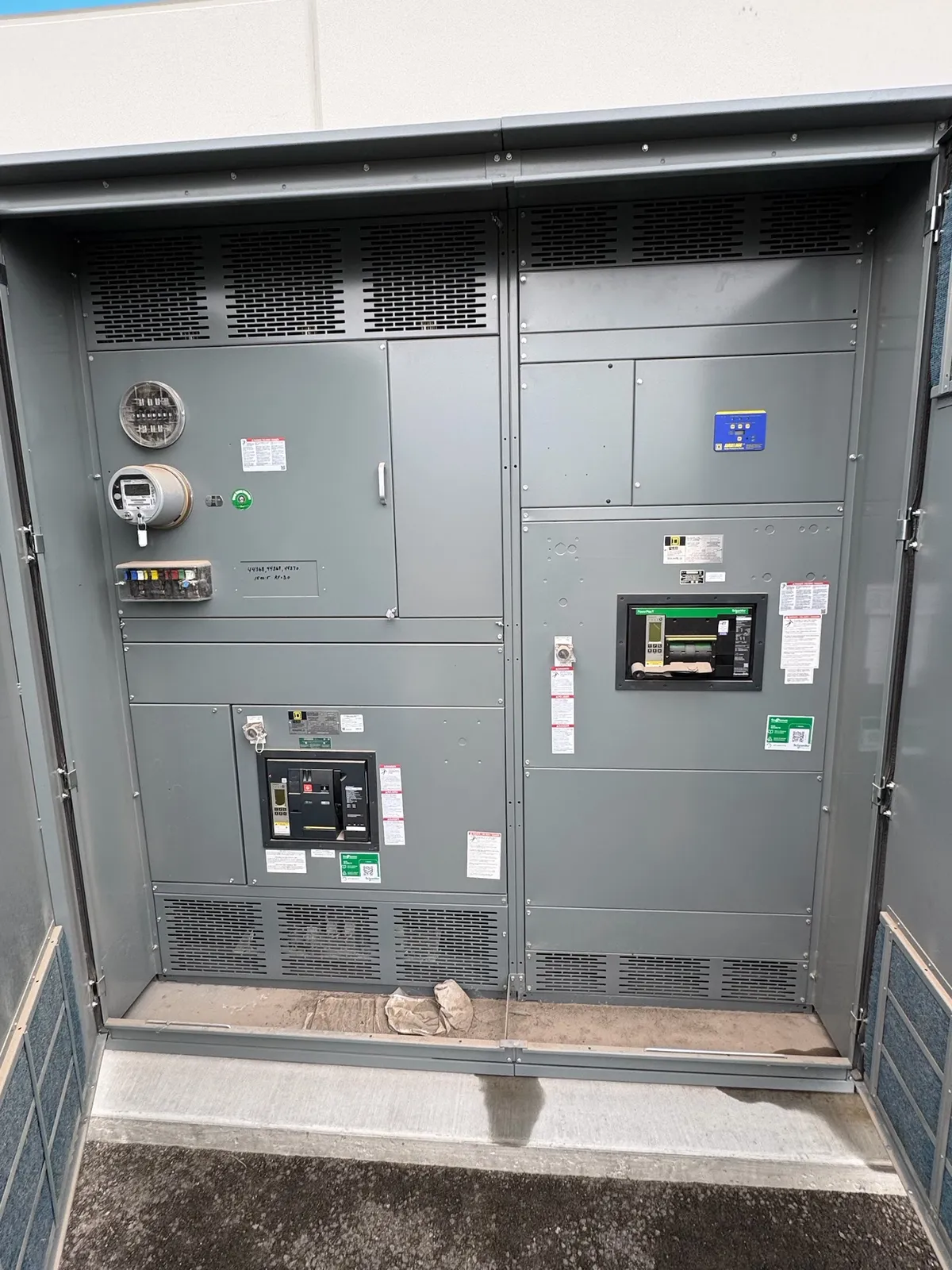
For 34,500-volt (34.5 kV) equipment, provide the specific kind of assembly or device and the rating as shown in the records you have. A label on a breaker can describe a different item from the label on the assembly around it, so match the photo or figure to its source when possible. Also note the make, model and amperage if known, while leaving uncertain information unguessed.
Using the voltage in your description
Voltage is one piece of identification, not a promise about value or an instruction to inspect a live system. Describe the proposed lot, its location and any known access constraints. We buy all voltage classes and do not require seller testing. We coordinate the necessary disconnects, rigging, loading and freight, with qualified personnel responsible for electrical work.
Define the boundaries of the proposed sale before comparing an offer. A complete lineup, a single section and a collection of loose components are different descriptions, even when they came from the same project. Say which items belong together, where they are located and whether anything pictured is excluded. If there are known missing parts or visible damage, mention them; you do not need to investigate the equipment by testing it.
Describe the proposed equipment
For the initial quote conversation, send your name and company, a phone number or email, the equipment location and a description of the items. Add the voltage and current ratings and a nameplate photograph if already available or safely accessible. We buy all voltage classes. A manufacturer, model and item count are useful when known. Separate information from assumptions: an incomplete but accurate description gives us a better starting point than a guessed specification.
An overall exterior image and a nameplate image serve different purposes: one can show the proposed item in context, while the other records its identification. If several pieces are offered, tell us which label belongs to which piece where known. A photo of a room should not be treated as a complete inventory; specify what is included and mention any known missing components or visible damage.
Disconnection and logistics
Safety comes before any photograph or equipment detail. Do not approach, touch, open, operate or test energized equipment, and do not remove covers or components for a quote. Use existing photographs and records, or involve qualified personnel if a safe image is needed. Qualified personnel handle necessary electrical work and disconnection. Even if equipment is described as surplus or decommissioned, do not assume it is safe to handle.
We handle the logistics for equipment we buy, including necessary disconnects, cranes, rigging, loading, freight and hauling. Qualified personnel perform electrical work, and freight is coordinated after safe disconnection. Share any site access information already known, such as equipment in separate areas or an unusually large assembly, so the arrangements can be discussed. We cover all freight; the seller does not have to arrange or load the shipment.
Review the purchase terms
Our role is to buy, not to sell or supply electrical equipment. We make cash offers for used, surplus and decommissioned gear and pay upfront on agreed purchases. Discuss exactly which items are included, any known condition concerns and the payment arrangements before accepting. All freight for equipment we buy is covered, and we handle the necessary logistics rather than asking the seller to ship the lot.
Keep questions focused on the equipment and the agreement: What is included? Which identifying details are still uncertain? How will upfront payment and site access be coordinated? If a piece shown in a photograph is not for sale, say so. This makes the scope easier to understand without asking the seller to undertake inspection, testing, disconnects or transportation.
Ready to discuss your equipment?
A request can begin with an incomplete inventory and become more specific as existing information is gathered. If an item turns out not to be available, or an additional section is included, explain that change before agreeing to the sale. Share photographs or records already available for the updated scope. Avoid approaching energized equipment or trying to verify a condition by operating it.
Ready to discuss the equipment? Send the available description, ratings, location and safely accessible nameplate photo, together with your name, company and phone or email. Tell us what is unknown and what you want included. We will discuss a cash offer; if a purchase is agreed, we pay upfront and handle the necessary work and covered freight. You do not need to test the equipment.