A buyer, not an equipment seller
We buy used, surplus and decommissioned electrical equipment, including Cutler-Hammer electrical equipment in Owensboro, Kentucky. Tell us what the item is and what you know about it rather than relying on the name alone. We make cash offers, pay upfront and cover all freight for purchases. We handle the necessary disconnects and logistics; qualified personnel perform electrical work and the seller need not test the gear.
When offering Cutler-Hammer electrical equipment, describe the actual piece rather than relying on the brand name alone. An assembly, its individual breakers and separately stored parts can have different identification. Share the equipment type, any available model and ratings, and an existing photograph of the appropriate nameplate. If your records cover only part of a lineup, say so; you do not have to open equipment or test it to complete the description.
The brand is only a starting point
For a mixed lot, distinguish the equipment carrying the Cutler-Hammer label from other included items, and tell us whether the lot is still installed or stored. That helps define the sale and gives us a clearer starting point for discussing pickup. The brand name is an equipment identifier, not a statement of partnership, manufacturer approval or authorization. Qualified personnel handle necessary electrical work.
The sale may cover one piece or several items, but it should not depend on an assumption that everything on site is included. Identify the equipment you are authorized to offer and point out any known exclusions. If some parts are missing, separately stored or represented only in an older inventory, say so. Accurate boundaries help prevent a misunderstanding when the offer and pickup are discussed.
What to share with your request
For the initial quote conversation, send your name and company, a phone number or email, the equipment location and a description of the items. Add the voltage and current ratings and a nameplate photograph if already available or safely accessible. We buy all voltage classes. A manufacturer, model and item count are useful when known. Separate information from assumptions: an incomplete but accurate description gives us a better starting point than a guessed specification.
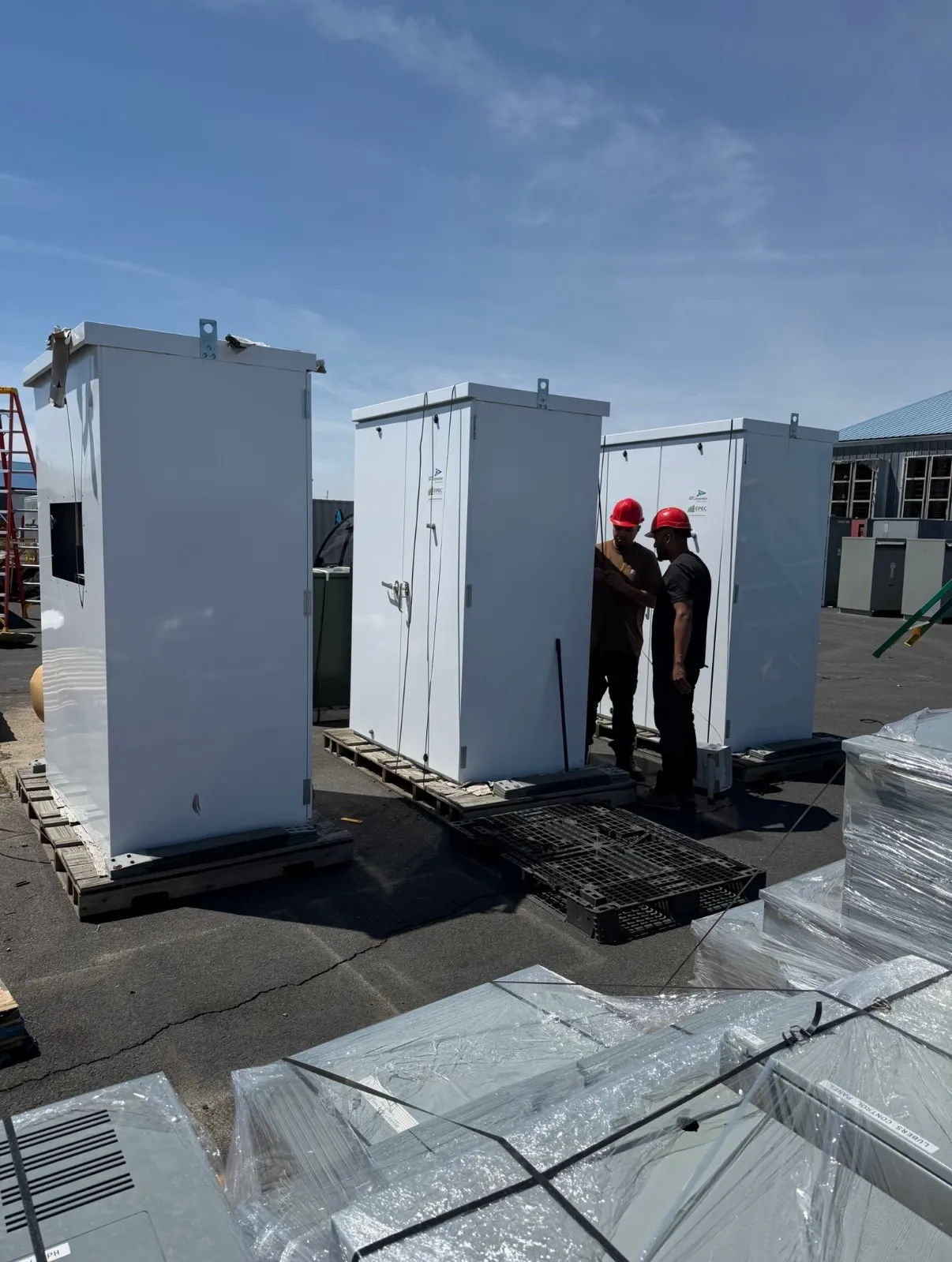
If you have photographs already, a wide view and a legible label can complement each other. The first helps identify which cabinets are being discussed; the second may show a make, model or rating. Make clear when an image shows items that are excluded from the sale. If a label is not safely accessible, say so and share the records you do have instead of trying to reach it.
Disconnection and logistics
You do not need to prove that the equipment operates, take a reading or expose internal components. Do not approach, touch, open, operate or test energized equipment. Share existing records or only safely accessible exterior photos; involve qualified personnel if additional electrical work or a safe photograph is necessary. We arrange the required disconnects, and qualified personnel handle the electrical work before freight is coordinated.
We handle the logistics for equipment we buy, including necessary disconnects, cranes, rigging, loading, freight and hauling. Qualified personnel perform electrical work, and freight is coordinated after safe disconnection. Share any site access information already known, such as equipment in separate areas or an unusually large assembly, so the arrangements can be discussed. We cover all freight; the seller does not have to arrange or load the shipment.
Review the purchase terms
The purchase conversation should make the commercial terms understandable. Ask what equipment the cash offer covers, how upfront payment will be handled and how the pickup will be coordinated. We pay upfront and cover all freight for the equipment we buy. The offer itself depends on the available information and agreement; an equipment category alone does not establish a fixed price or an automatic purchase.
Useful questions include: Which specific pieces does the offer cover? How will upfront payment be made? Who will coordinate access and the required disconnects? What information is still needed about the equipment? Ask about the agreed pickup arrangements as well. Clear answers help both parties distinguish a proposed sale from other equipment at the same site without imposing testing or removal work on the seller.
Ready to discuss your equipment?
A request can begin with an incomplete inventory and become more specific as existing information is gathered. If an item turns out not to be available, or an additional section is included, explain that change before agreeing to the sale. Share photographs or records already available for the updated scope. Avoid approaching energized equipment or trying to verify a condition by operating it.
Ready to discuss the equipment? Send the available description, ratings, location and safely accessible nameplate photo, together with your name, company and phone or email. Tell us what is unknown and what you want included. We will discuss a cash offer; if a purchase is agreed, we pay upfront and handle the necessary work and covered freight. You do not need to test the equipment.