A straightforward way to sell
Offering unit substations in Madisonville, Kentucky starts with identifying the pieces you want to sell. We buy used, surplus and decommissioned electrical equipment; we do not sell it. Our approach includes a cash offer, upfront payment for an agreed purchase, no seller testing and covered freight. We coordinate disconnects and handling, with qualified personnel performing electrical work, so the seller does not need to prepare a load.
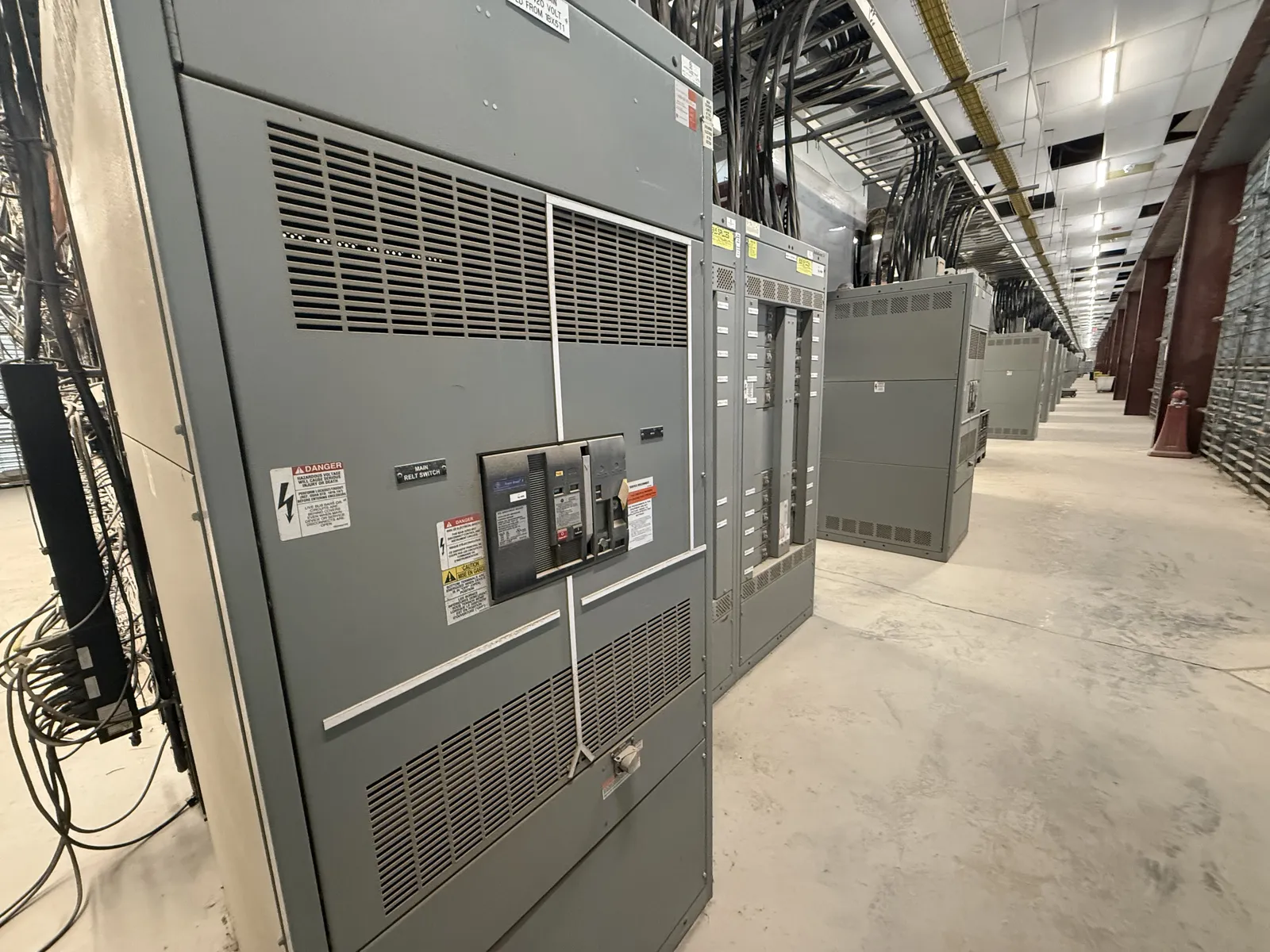
A unit substation is best described by the identifiable equipment and sections included in the proposed sale rather than by the project name alone. If an existing inventory distinguishes its associated distribution equipment, share that information and note whether the pieces are together or in different areas. A broad exterior photograph can help establish the scope without implying that every item shown is automatically included.
Describe the equipment you are offering
Where available, send the make, model and ratings shown on the relevant equipment nameplates, and identify the component to which each label applies. Let us know about known size or access constraints, especially if the equipment forms a large assembly. You do not need to dismantle or test a substation to begin a discussion. We handle necessary disconnection, rigging, loading and freight with qualified personnel for electrical work.
When a project produces mixed equipment, separate the description of the lot from the history of the facility. Note the types of equipment, their approximate count if known, and which items are actually available for purchase. Existing labels and photos can provide supporting context, while unknown condition or incomplete records should be described as such. The seller does not have to dismantle or test anything to start.
Information for an offer
A useful first request includes your name and company, a phone number or email, the equipment type, known voltage and amperage ratings, the Kentucky location, and a nameplate photograph if safely available. Include a make and model if you already have them. We buy all voltage classes. If a detail is missing, say so instead of guessing. These facts help us understand what you are offering; they are not an instruction to inspect or test equipment.
Equipment records and photographs can help distinguish a complete assembly from a group of separate components. An exterior overview shows context, and a readable label may preserve the exact model or ratings. Match pictures to your list if you can do so from information already on hand. An unclear or unavailable nameplate is not a reason to guess, open a cover or approach energized equipment.
Electrical safety and covered freight
A quote request should not create an electrical task for the seller. Do not touch, open, operate, test or approach energized gear, even to obtain a rating or a better photograph. Use images already on hand or safely accessible exterior information, and leave unavailable details unknown. Qualified personnel handle necessary electrical work and disconnection. Labeling a facility closed or equipment surplus is not a substitute for safe handling.
The pickup conversation is about practical scope: where the equipment is, which items are included, and any known limitations on access. It is not a request for the seller to remove or pack it. We handle necessary disconnects, cranes, rigging, loading, freight and hauling, using qualified personnel for electrical work, and cover all freight. Freight is coordinated after the equipment is safely disconnected.
Understand the offer
Our role is to buy, not to sell or supply electrical equipment. We make cash offers for used, surplus and decommissioned gear and pay upfront on agreed purchases. Discuss exactly which items are included, any known condition concerns and the payment arrangements before accepting. All freight for equipment we buy is covered, and we handle the necessary logistics rather than asking the seller to ship the lot.
Useful questions include: Which specific pieces does the offer cover? How will upfront payment be made? Who will coordinate access and the required disconnects? What information is still needed about the equipment? Ask about the agreed pickup arrangements as well. Clear answers help both parties distinguish a proposed sale from other equipment at the same site without imposing testing or removal work on the seller.
Request a cash offer
It can help to distinguish the equipment's physical location from the person handling the sale. If the contact person is not at the site, say who can discuss access and identify the equipment on the company's behalf. Note any known restrictions or changes to the proposed lot. We use the information to coordinate the purchase, while handling the necessary disconnects and removal logistics ourselves.
A straightforward inquiry is enough to begin: give your name and company, phone or email, equipment description, known ratings, location and any safely accessible nameplate photo. If you have only part of the information, say so. We make cash offers and pay upfront on agreed purchases, with all freight covered. Qualified personnel handle necessary electrical work and we coordinate the logistics.