A buyer, not an equipment seller
Offering panelboards in Hopkinsville, Kentucky starts with identifying the pieces you want to sell. We buy used, surplus and decommissioned electrical equipment; we do not sell it. Our approach includes a cash offer, upfront payment for an agreed purchase, no seller testing and covered freight. We coordinate disconnects and handling, with qualified personnel performing electrical work, so the seller does not need to prepare a load.
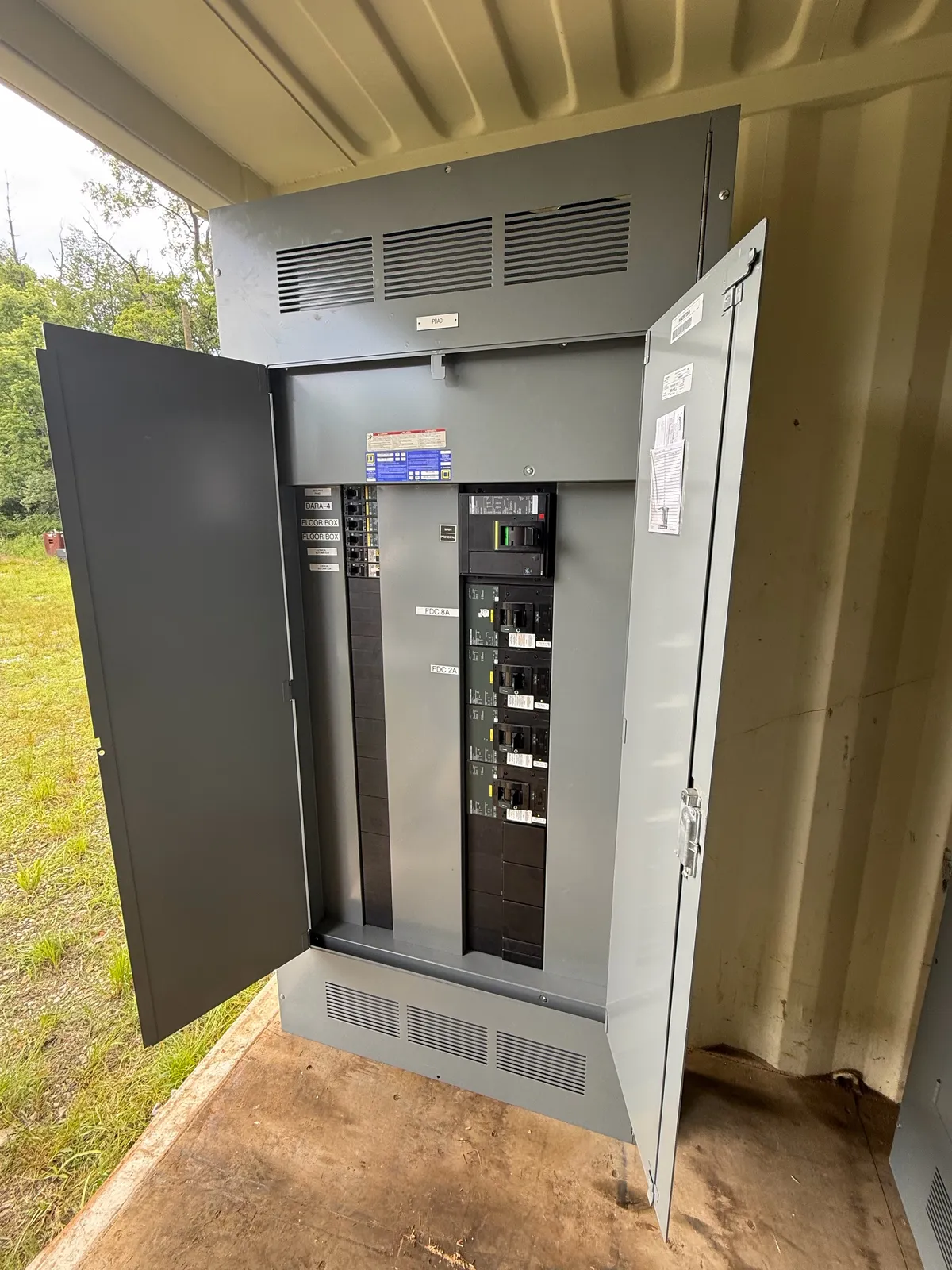
Panelboards may be offered singly or as a group from a larger project. Give each known panel a simple identifier and note its location if several are involved, so the discussion does not mistake multiple cabinets for one item. An existing exterior photograph and the visible panel label can be more useful than guessing the contents. Tell us whether the enclosure and any separately stored components are included in the proposed sale.
Describe the equipment you are offering
A panel's assembly label and labels on individual devices describe different things, so report the rating and make exactly as shown and say which label you have photographed. If you have only a partial inventory, identify it as partial rather than filling gaps from memory. No seller testing is needed. Do not open a panel, remove a cover or touch energized equipment to obtain information for a quote.
When a project produces mixed equipment, separate the description of the lot from the history of the facility. Note the types of equipment, their approximate count if known, and which items are actually available for purchase. Existing labels and photos can provide supporting context, while unknown condition or incomplete records should be described as such. The seller does not have to dismantle or test anything to start.
What to share with your request
For the initial quote conversation, send your name and company, a phone number or email, the equipment location and a description of the items. Add the voltage and current ratings and a nameplate photograph if already available or safely accessible. We buy all voltage classes. A manufacturer, model and item count are useful when known. Separate information from assumptions: an incomplete but accurate description gives us a better starting point than a guessed specification.
An overall exterior image and a nameplate image serve different purposes: one can show the proposed item in context, while the other records its identification. If several pieces are offered, tell us which label belongs to which piece where known. A photo of a room should not be treated as a complete inventory; specify what is included and mention any known missing components or visible damage.
Review the purchase terms
Once we understand what is being offered, we can discuss a cash offer and the scope of the purchase. We pay upfront and cover all freight for the equipment we buy. Review which items are included, and ask about the agreed payment and pickup arrangements rather than assuming that an entire facility or every item in a photograph is covered. No seller testing is required to begin.
Useful questions include: Which specific pieces does the offer cover? How will upfront payment be made? Who will coordinate access and the required disconnects? What information is still needed about the equipment? Ask about the agreed pickup arrangements as well. Clear answers help both parties distinguish a proposed sale from other equipment at the same site without imposing testing or removal work on the seller.
Safe handling and pickup
Please keep the request to information that is already documented or can be obtained safely. Do not approach energized equipment, remove covers, operate a device or test a circuit for a photo or an offer. Qualified personnel perform necessary electrical work and disconnects, and we coordinate freight after safe disconnection. You do not have to make the gear ready for removal or load it yourself.
Moving an electrical assembly can involve more than a truck. Our purchase approach includes the necessary disconnects, crane work, rigging, loading, freight and hauling, with qualified personnel responsible for electrical work. We cover all freight for equipment we buy. Discuss the location, any known access restrictions and the boundaries of the lot with us; we coordinate freight once the equipment is safely disconnected.
Start the conversation
A request can begin with an incomplete inventory and become more specific as existing information is gathered. If an item turns out not to be available, or an additional section is included, explain that change before agreeing to the sale. Share photographs or records already available for the updated scope. Avoid approaching energized equipment or trying to verify a condition by operating it.
To get started, share your contact and company information, equipment type, known ratings and Kentucky location, plus an existing or safely accessible nameplate photo. An incomplete request is better than an unsafe inspection: identify what is missing. We buy rather than sell, make cash offers and pay upfront for agreed purchases, while handling the disconnects and logistics for the equipment purchased.