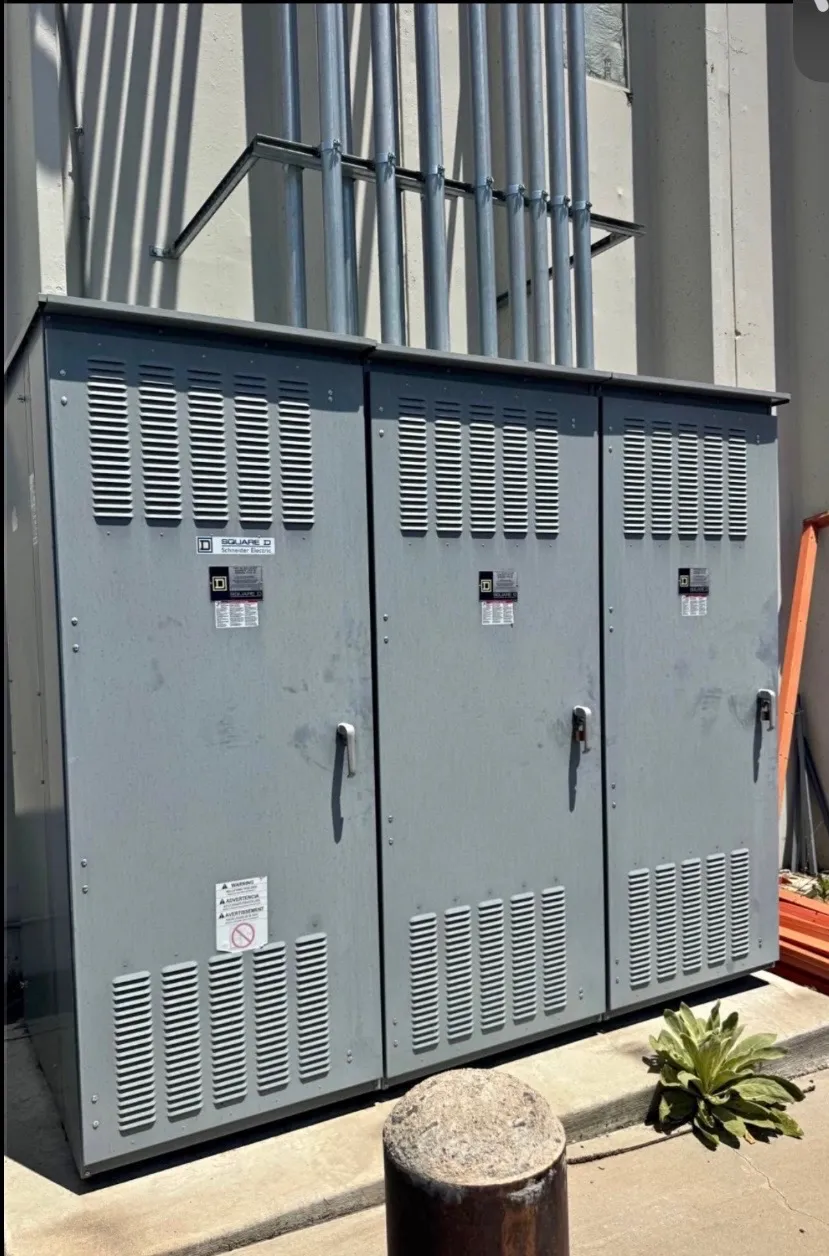
A straightforward way to sell
Have switchgear to offer in Georgetown, Kentucky? Tell us what is available and where it is. We buy used, surplus and decommissioned equipment, including all voltage classes; we do not sell electrical equipment. We make cash offers, pay upfront and cover all freight for purchases. You are not asked to test, disconnect, load or ship the gear: we coordinate the work and qualified personnel handle electrical tasks.
An equipment buyer needs to know more than a city or county name. Say what kind of electrical distribution equipment you have and whether the proposed sale is for a single item, a lineup or multiple groups. Manufacturer, model, ratings and existing nameplate photographs can help clarify the description, but do not guess or carry out tests to fill gaps. We buy all voltage classes and make cash offers.
A sale starts with the equipment
Known differences between items are worth recording in the initial request. For example, a loose breaker and the surrounding switchgear assembly may have separate labels, and equipment in another room may not belong to the proposed lot. Share what is already documented and identify exclusions. We handle the pickup and related logistics after a purchase is agreed; qualified personnel perform any needed electrical work.
For more than one item, a simple list can distinguish equipment types, quantities and locations without requiring a formal appraisal. Label uncertain counts as estimates and identify any components you know are separate from the main assembly. Also note when an old record may not reflect the proposed sale. The purpose is to give both parties a clear scope to discuss, not to create work for the seller.
Describe the proposed equipment
A useful first request includes your name and company, a phone number or email, the equipment type, known voltage and amperage ratings, the Kentucky location, and a nameplate photograph if safely available. Include a make and model if you already have them. We buy all voltage classes. If a detail is missing, say so instead of guessing. These facts help us understand what you are offering; they are not an instruction to inspect or test equipment.
Equipment records and photographs can help distinguish a complete assembly from a group of separate components. An exterior overview shows context, and a readable label may preserve the exact model or ratings. Match pictures to your list if you can do so from information already on hand. An unclear or unavailable nameplate is not a reason to guess, open a cover or approach energized equipment.
Understand the offer
Once we understand what is being offered, we can discuss a cash offer and the scope of the purchase. We pay upfront and cover all freight for the equipment we buy. Review which items are included, and ask about the agreed payment and pickup arrangements rather than assuming that an entire facility or every item in a photograph is covered. No seller testing is required to begin.
Keep questions focused on the equipment and the agreement: What is included? Which identifying details are still uncertain? How will upfront payment and site access be coordinated? If a piece shown in a photograph is not for sale, say so. This makes the scope easier to understand without asking the seller to undertake inspection, testing, disconnects or transportation.
Disconnection and logistics
You do not need to prove that the equipment operates, take a reading or expose internal components. Do not approach, touch, open, operate or test energized equipment. Share existing records or only safely accessible exterior photos; involve qualified personnel if additional electrical work or a safe photograph is necessary. We arrange the required disconnects, and qualified personnel handle the electrical work before freight is coordinated.
The pickup conversation is about practical scope: where the equipment is, which items are included, and any known limitations on access. It is not a request for the seller to remove or pack it. We handle necessary disconnects, cranes, rigging, loading, freight and hauling, using qualified personnel for electrical work, and cover all freight. Freight is coordinated after the equipment is safely disconnected.
Ready to discuss your equipment?
It can help to distinguish the equipment's physical location from the person handling the sale. If the contact person is not at the site, say who can discuss access and identify the equipment on the company's behalf. Note any known restrictions or changes to the proposed lot. We use the information to coordinate the purchase, while handling the necessary disconnects and removal logistics ourselves.
A straightforward inquiry is enough to begin: give your name and company, phone or email, equipment description, known ratings, location and any safely accessible nameplate photo. If you have only part of the information, say so. We make cash offers and pay upfront on agreed purchases, with all freight covered. Qualified personnel handle necessary electrical work and we coordinate the logistics.