A straightforward way to sell
We buy used, surplus and decommissioned electrical equipment, including Siemens electrical equipment in Bowling Green, Kentucky. Tell us what the item is and what you know about it rather than relying on the name alone. We make cash offers, pay upfront and cover all freight for purchases. We handle the necessary disconnects and logistics; qualified personnel perform electrical work and the seller need not test the gear.
A manufacturer name can be a helpful starting point, but the specific item and its label matter too. For Siemens equipment, tell us whether you are offering switchgear, a switchboard, breakers or another distribution item, and share the model and ratings if they are already available. A brand on one component does not necessarily identify every part of a larger assembly. Describe each known label without guessing at an unknown one.
The brand is only a starting point
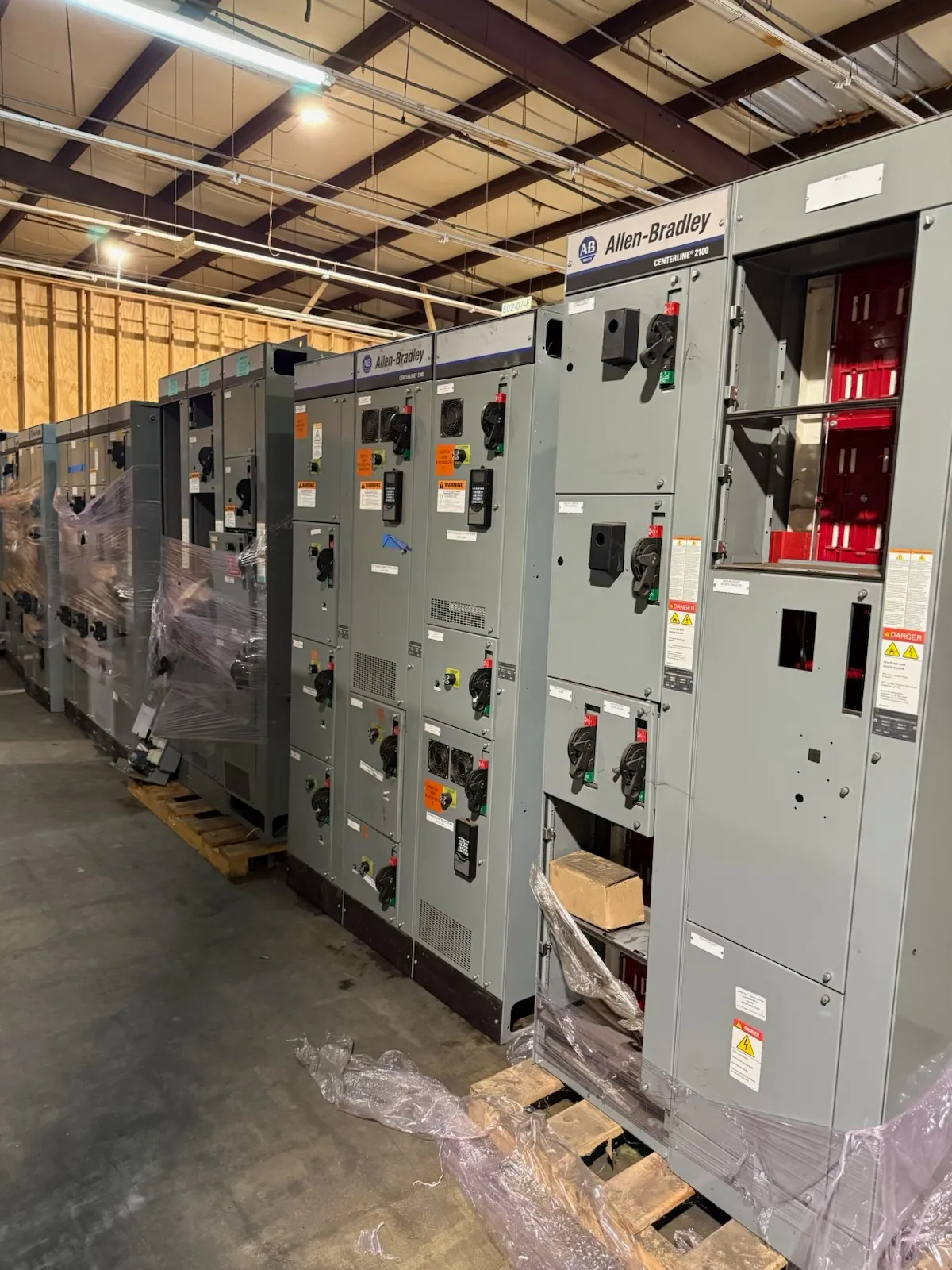
If a lineup includes equipment with different manufacturer labels, explain what is included in the proposed lot and which photo or record relates to each item. Existing exterior photographs can help us understand the scope, and known missing parts or damage should be mentioned. Siemens is used here only to identify equipment a seller may offer; no manufacturer affiliation or authorization is implied.
Define the boundaries of the proposed sale before comparing an offer. A complete lineup, a single section and a collection of loose components are different descriptions, even when they came from the same project. Say which items belong together, where they are located and whether anything pictured is excluded. If there are known missing parts or visible damage, mention them; you do not need to investigate the equipment by testing it.
Describe the proposed equipment
A useful first request includes your name and company, a phone number or email, the equipment type, known voltage and amperage ratings, the Kentucky location, and a nameplate photograph if safely available. Include a make and model if you already have them. We buy all voltage classes. If a detail is missing, say so instead of guessing. These facts help us understand what you are offering; they are not an instruction to inspect or test equipment.
An overall exterior image and a nameplate image serve different purposes: one can show the proposed item in context, while the other records its identification. If several pieces are offered, tell us which label belongs to which piece where known. A photo of a room should not be treated as a complete inventory; specify what is included and mention any known missing components or visible damage.
Safe handling and pickup
Please keep the request to information that is already documented or can be obtained safely. Do not approach energized equipment, remove covers, operate a device or test a circuit for a photo or an offer. Qualified personnel perform necessary electrical work and disconnects, and we coordinate freight after safe disconnection. You do not have to make the gear ready for removal or load it yourself.
The pickup conversation is about practical scope: where the equipment is, which items are included, and any known limitations on access. It is not a request for the seller to remove or pack it. We handle necessary disconnects, cranes, rigging, loading, freight and hauling, using qualified personnel for electrical work, and cover all freight. Freight is coordinated after the equipment is safely disconnected.
Review the purchase terms
The purchase conversation should make the commercial terms understandable. Ask what equipment the cash offer covers, how upfront payment will be handled and how the pickup will be coordinated. We pay upfront and cover all freight for the equipment we buy. The offer itself depends on the available information and agreement; an equipment category alone does not establish a fixed price or an automatic purchase.
Useful questions include: Which specific pieces does the offer cover? How will upfront payment be made? Who will coordinate access and the required disconnects? What information is still needed about the equipment? Ask about the agreed pickup arrangements as well. Clear answers help both parties distinguish a proposed sale from other equipment at the same site without imposing testing or removal work on the seller.
Start the conversation
A request can begin with an incomplete inventory and become more specific as existing information is gathered. If an item turns out not to be available, or an additional section is included, explain that change before agreeing to the sale. Share photographs or records already available for the updated scope. Avoid approaching energized equipment or trying to verify a condition by operating it.
A straightforward inquiry is enough to begin: give your name and company, phone or email, equipment description, known ratings, location and any safely accessible nameplate photo. If you have only part of the information, say so. We make cash offers and pay upfront on agreed purchases, with all freight covered. Qualified personnel handle necessary electrical work and we coordinate the logistics.