A buyer, not an equipment seller
Safe Access for Electrical Equipment Pickup Start with the equipment and the information already available. We buy used, surplus and decommissioned electrical distribution equipment in Kentucky; we do not sell it. We make cash offers, pay upfront for agreed purchases and cover all freight. There is no seller testing requirement. We handle necessary disconnects, cranes, rigging, loading and hauling, with qualified personnel performing electrical work.
Safe access begins with an honest description of what is known, not with the seller attempting electrical work. Tell us the equipment location and any existing site restrictions, including whether other work or equipment remains in the area. Do not approach, touch, open, operate or test energized equipment. Use existing photographs or involve qualified personnel when a safe photograph or additional electrical work is needed.
What sellers should know
We handle the necessary disconnects and the logistics of crane work, rigging, loading, freight and hauling for equipment we purchase. Qualified personnel handle electrical work, and freight is coordinated after safe disconnection. Discuss site access and the scope of the purchase before arrangements are finalized; the seller is not expected to disconnect, dismantle or load the equipment.
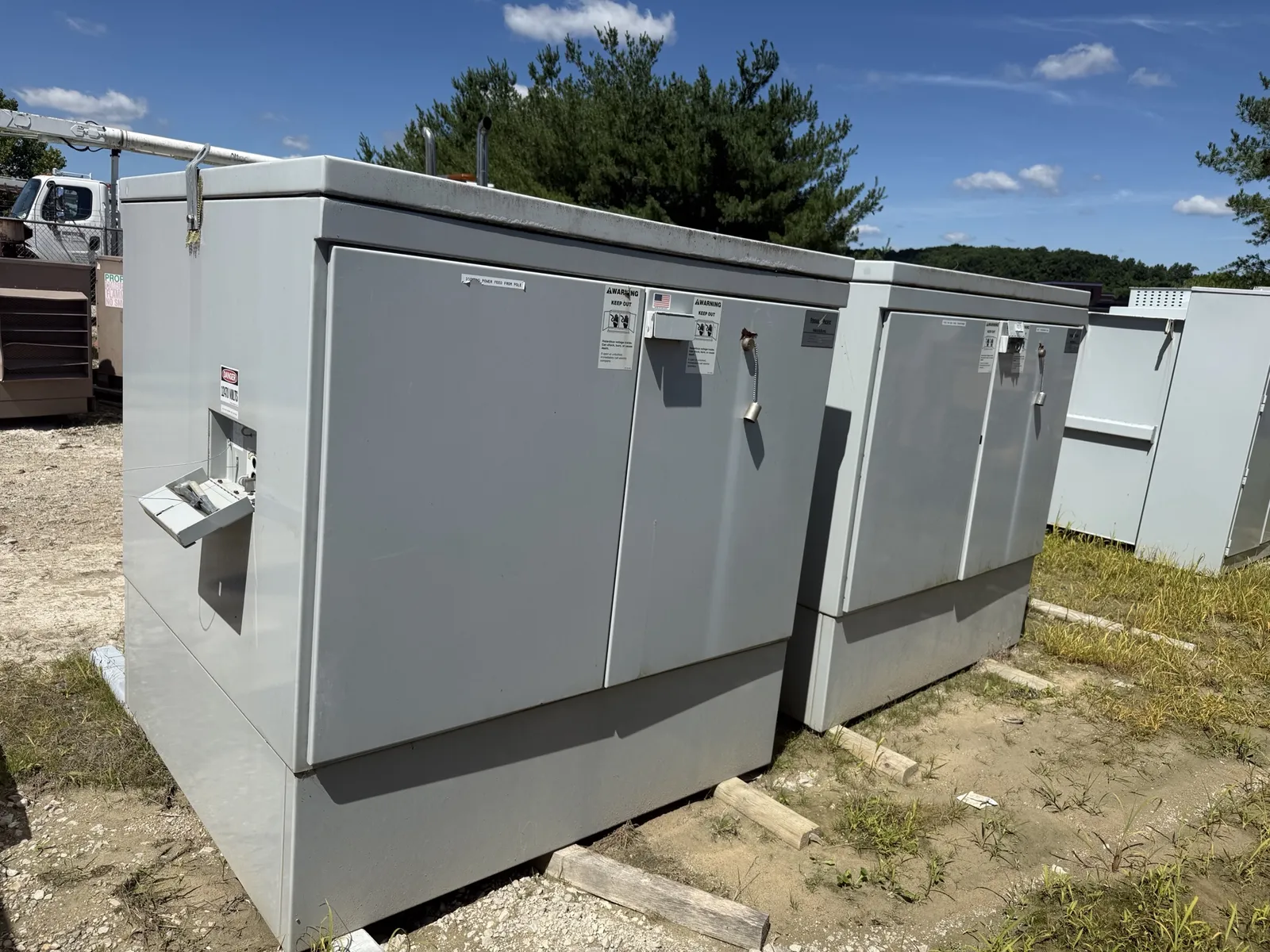
When a project produces mixed equipment, separate the description of the lot from the history of the facility. Note the types of equipment, their approximate count if known, and which items are actually available for purchase. Existing labels and photos can provide supporting context, while unknown condition or incomplete records should be described as such. The seller does not have to dismantle or test anything to start.
Information for an offer
For the initial quote conversation, send your name and company, a phone number or email, the equipment location and a description of the items. Add the voltage and current ratings and a nameplate photograph if already available or safely accessible. We buy all voltage classes. A manufacturer, model and item count are useful when known. Separate information from assumptions: an incomplete but accurate description gives us a better starting point than a guessed specification.
A nameplate image can prevent a transcription error, but not every photograph tells the whole story. Note whether a label identifies the main assembly or a separate component and whether the photo represents all the pieces you want to offer. Existing records are helpful if a label is absent. Do not remove covers, operate devices or approach energized equipment to make a photograph more complete.
Disconnection and logistics
Please keep the request to information that is already documented or can be obtained safely. Do not approach energized equipment, remove covers, operate a device or test a circuit for a photo or an offer. Qualified personnel perform necessary electrical work and disconnects, and we coordinate freight after safe disconnection. You do not have to make the gear ready for removal or load it yourself.
You can discuss a sale without organizing a carrier or a rigging crew. We handle necessary disconnects, cranes, rigging, loading, freight and hauling, and we cover all freight. Qualified personnel handle electrical work, and freight follows safe disconnection. Tell us about site restrictions or size information you already know, but leave the physical work and transport arrangements to us for the equipment purchased.
Understand the offer
The purchase conversation should make the commercial terms understandable. Ask what equipment the cash offer covers, how upfront payment will be handled and how the pickup will be coordinated. We pay upfront and cover all freight for the equipment we buy. The offer itself depends on the available information and agreement; an equipment category alone does not establish a fixed price or an automatic purchase.
Keep questions focused on the equipment and the agreement: What is included? Which identifying details are still uncertain? How will upfront payment and site access be coordinated? If a piece shown in a photograph is not for sale, say so. This makes the scope easier to understand without asking the seller to undertake inspection, testing, disconnects or transportation.
Start the conversation
A request can begin with an incomplete inventory and become more specific as existing information is gathered. If an item turns out not to be available, or an additional section is included, explain that change before agreeing to the sale. Share photographs or records already available for the updated scope. Avoid approaching energized equipment or trying to verify a condition by operating it.
To get started, share your contact and company information, equipment type, known ratings and Kentucky location, plus an existing or safely accessible nameplate photo. An incomplete request is better than an unsafe inspection: identify what is missing. We buy rather than sell, make cash offers and pay upfront for agreed purchases, while handling the disconnects and logistics for the equipment purchased.